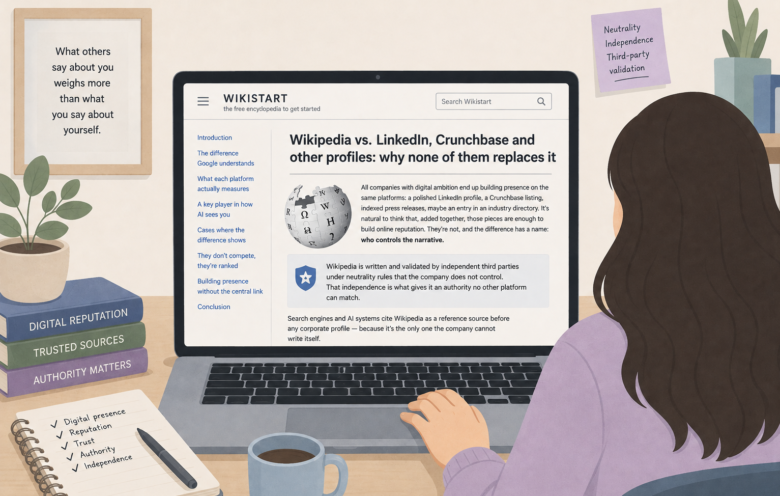
In search results, Wikipedia is both a spotlight and a shield — pushing brands and public figures to the top of Google while lending them the authority and trust of one of the web’s most reliable sources
Wikipedia is one of the most influential forces in search results. Type in the name of a brand, public figure or concept, and chances are it will appear on the first page of Google —often near the very top. That dominance stems from its extraordinary domain authority. Domain Authority, or DA, is a score from 1 to 100 that predicts how well a site can rank; Wikipedia holds the maximum possible score of 100.
Reaching that level is a privilege reserved for only a handful of sites. It’s earned through millions of inbound links from reputable domains, more than two decades of publishing history, constant updates, verified content and unmatched global relevance. Its internal link structure spreads that authority across the site, allowing even niche articles to achieve remarkable visibility.
A British study found that Wikipedia appears on Google’s first page in 99 percent of the searches analyzed —and ranks first in more than half of them. This means that if a Wikipedia page exists for a given entity, it will almost always occupy a prominent position, sometimes even outranking the official website if that site lacks comparable relevance. The effect is strategic: it secures a prime slot in Google’s display, potentially pushing down less favorable results.
Wikipedia also feeds Google’s Knowledge Graph —those informational panels that display key facts such as founding dates, headquarters, executives or logos. Much of that information is drawn from Wikipedia and its sister project, Wikidata, boosting visibility and reinforcing credibility.
The platform’s presence also has a direct effect on user perception. People tend to associate Wikipedia with impartial, well-sourced information —an association that builds trust and prestige.
There’s another benefit: referral traffic. While links from Wikipedia are tagged “nofollow,” meaning they don’t pass ranking authority to search engines, they still attract highly relevant visitors. This can lead to indirect gains, including citations by news outlets and other websites that reference the article. The platform’s multilingual reach further amplifies its impact, enabling the same profile to be published in multiple languages and accessed under the same trusted domain.
In a digital landscape where first impressions are often formed on a Google results page, having Wikipedia as an ally means securing a prime space filled with accurate, vetted information from one of the most reliable sources online. Its ability to strengthen SEO and reputation, while carrying the authority and trust of a global institution, is unmatched —and can make the difference between being found online and being overlooked.