
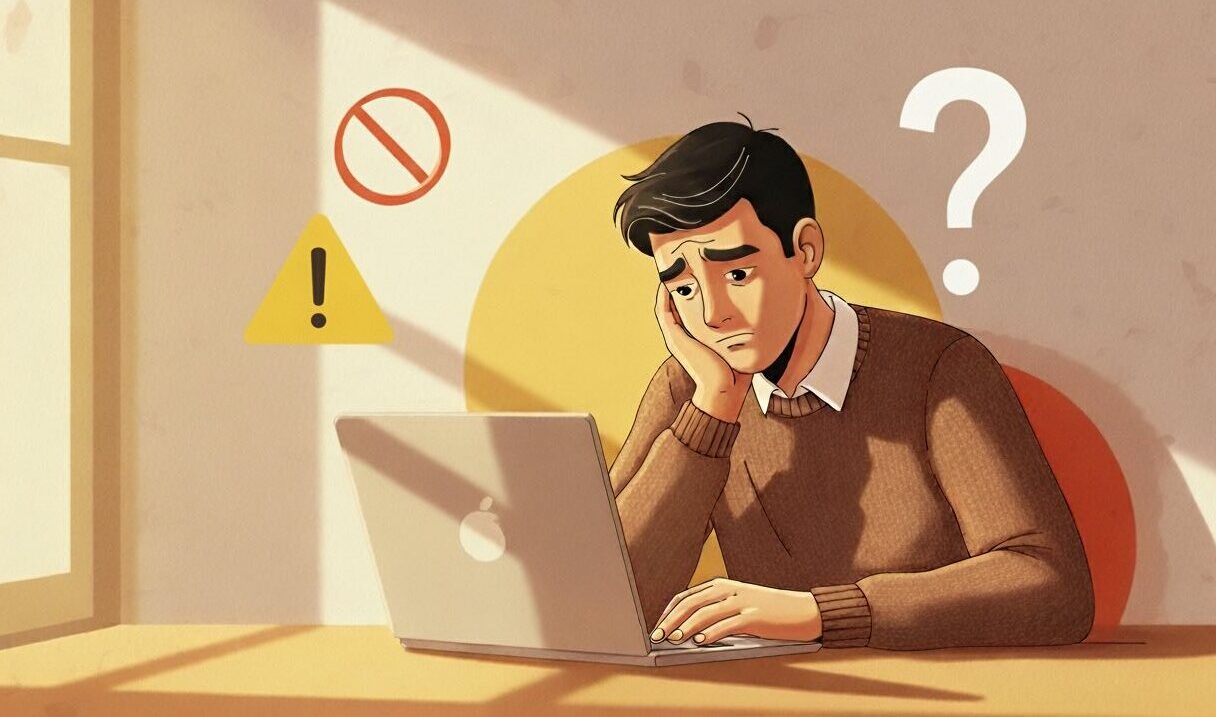
On Wikipedia, good intentions aren’t enough — without knowing the rules, a single misstep can erase your work, damage credibility, and shut the door on future edits
From the outside, publishing on Wikipedia might look simple —a few keystrokes, a click on “Save,” and you’re part of the world’s largest encyclopedia. In reality, it’s far from editing a personal blog. The collaborative platform has strict rules on notability, verifiability, neutrality, formatting, and the use of complementary tools like Wikidata and Wikimedia Commons.
Without the right knowledge and experience, a well-intentioned attempt can backfire: edits can be reverted, articles deleted, accounts blocked, and in some cases, future attempts to create the same page permanently barred.
Here are the 10 most common mistakes newcomers make when trying to create or edit Wikipedia entries without following its policies:
1. Believing that being the subject of an article gives you authority over its content.
Wikipedia is not a personal website or an institutional homepage. It’s a collaborative project. Content cannot be changed simply because it’s inconvenient or unflattering to the subject.
2. Adding self-promotional content.
This is considered a conflict of interest and is often reverted immediately. It can also damage the image of the person, organization or company involved.
3. Creating an entry without encyclopedic relevance.
Articles that fail to meet Wikipedia’s notability criteria are deleted without exception.
4. Repeating an edit that has already been reverted.
Persisting with a change that’s been removed can be seen as an “edit war,” which may lead to the user’s account being blocked.
5. Publishing information without reliable sources.
Content without verifiable references is removed.
6. Uploading images without usage rights.
Images must have compatible licenses, such as Creative Commons. Otherwise, they will be rejected or removed within days.
7. Ignoring formatting rules and editing tools.
Misusing templates, infoboxes, tags, identifiers, or neglecting platforms like Wikidata and Wikimedia can result in edits being reverted, articles moved to draft, or outright deletion.
8. Editing without logging in.
While technically allowed, anonymous edits are not well regarded. Contributions from registered accounts with an active history are generally better received.
9. Copying text without respecting copyright.
Reproducing paragraphs from other sites or publications with incompatible licenses is a copyright violation and can result in removal.
10. Writing biographies like a résumé.
Structuring a career history as a CV, a list of publications in the style of Google Scholar, or a long catalog of activities is often flagged as “like a resume” and, in many cases, deleted.Avoiding these pitfalls not only improves the chances of your contribution surviving on Wikipedia, it also strengthens the health of the project itself —a free, collaborative and reliable encyclopedia whose credibility depends on the rigor of its contributors.


